// Field Report — 23/03/2026
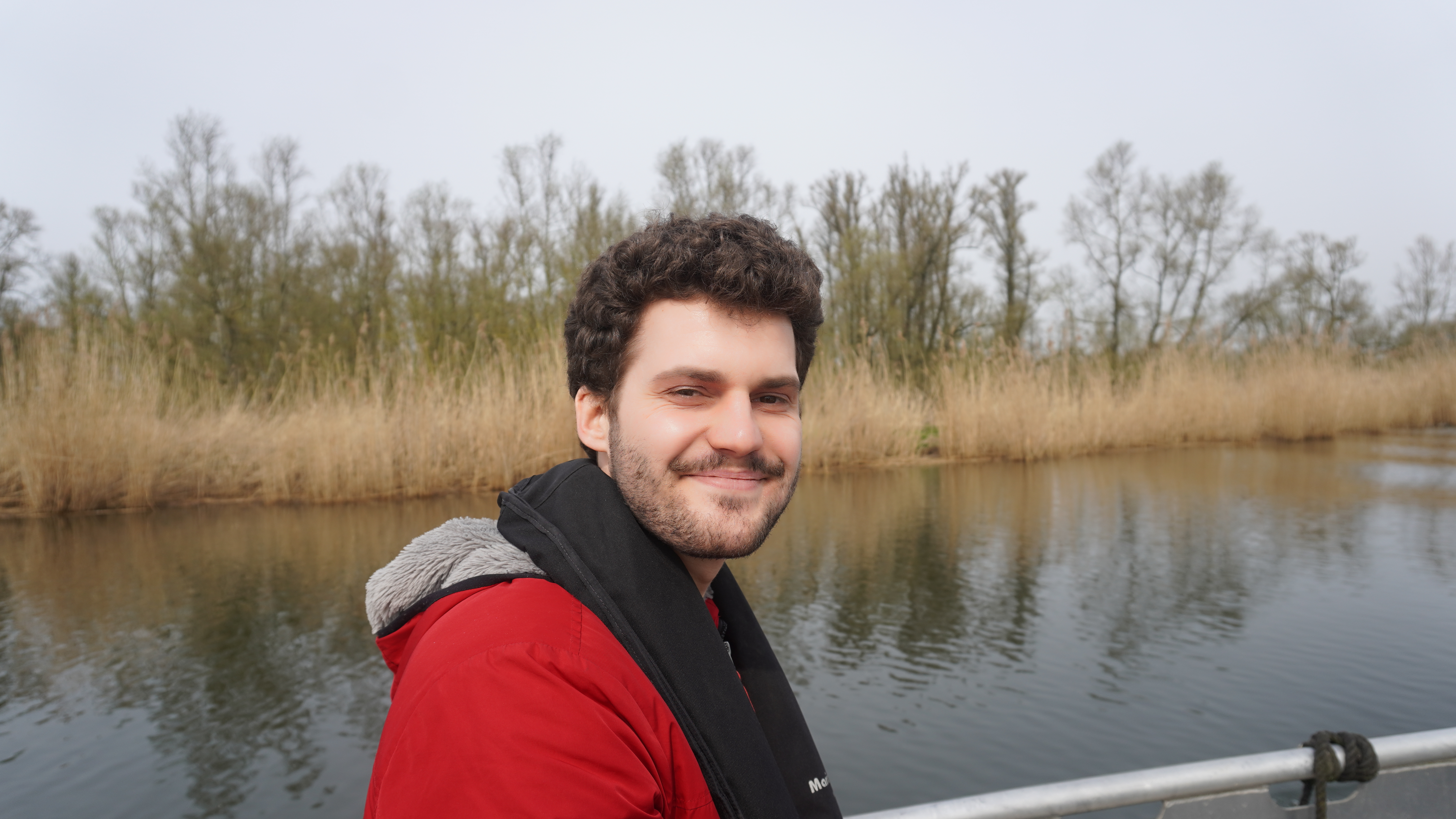
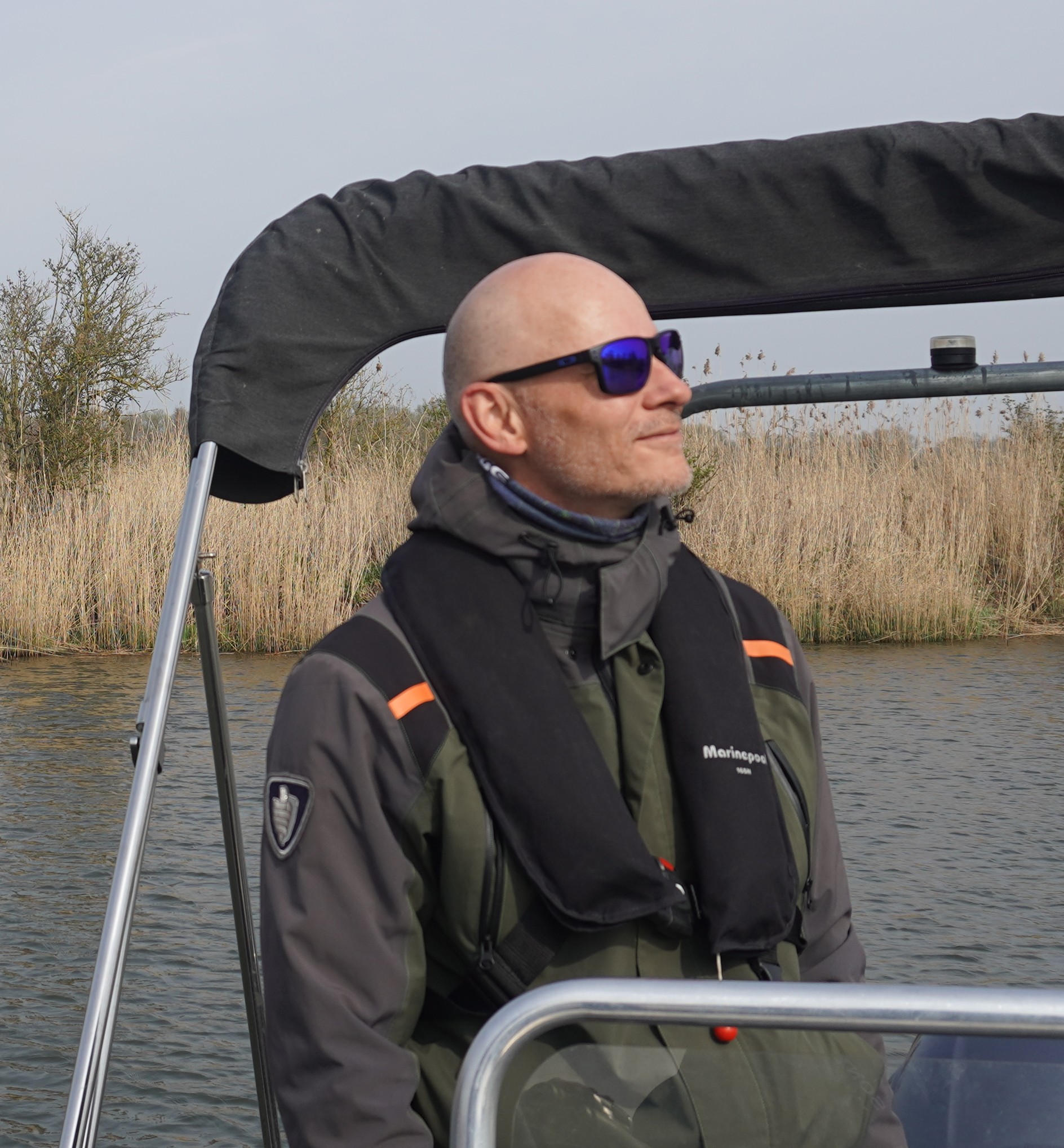
Ranger Robin Maatman, Biesbosch National Park
Robin Maatman Ranger — Biesbosch National Park Field Interview · 23/03/2026
"Last week we saw fishermen coming out of a restricted area. You know it's happening, but the area we have to protect is big. You don't know where and when boats enter. That lack of insight is the problem."
— Ranger Robin Maatman, Biesbosch National Park, 23/03/2026
0%
Decline in global wildlife populations since 1970
0+
Protected areas worldwide with restricted water access to protect biodiversity
0%
Of parks struggle with illegal boating (survey, 30 parks)

Hydro-Guard's novel insight is simple: boats are the shared infrastructure of almost all illegal exploitation — poaching, fishing, illegal logging and unauthorized tourism — in water-dominated parks. Detect the boat at the entrance, and you stop everything that follows.

Not a replacement of the rangers. An extra set of ears where nature needs it the most.

// The Solution

AI-Powered
Acoustic Monitoring

Hydro-Guard develops AI-powered microphones that detect motorboats in real-time and alert rangers through a user-friendly dashboard. By strategically placing devices, we monitor parks continuously, passively, and without requiring a ranger to be present.

Passive & Continuous

No ranger needed on-site. Monitors 24/7 in any weather, at any hour, without interruption.

Real-Time Alerts

Rangers receive instant push notifications when boats enter restricted zones — enabling early interception.

Data-Driven Policy

Traffic patterns enable smarter enforcement, resource allocation, and evidence-based conservation policy.

// Hardware

Meet the Hydro-Guard Devices

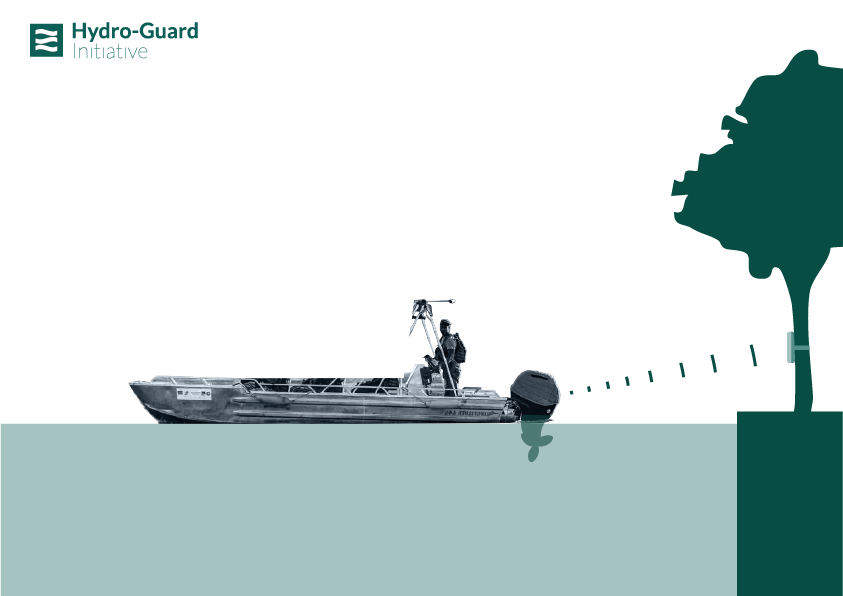
Hydro-Guard Dry V1.0 — above-water directional acoustic monitoring device In Development — Field Test: Biesbosch Mar 2026

Hydro-Guard Dry V1.0

// Hung on tree or pole adjacent to water surface

  • Range250 meters
  • Mic typeAbove-water directional microphone
  • Best forForest riverbanks, jungle waterways, accessible park edges
  • AdvantagesRapid prototyping, lower hardware cost, quick to deploy
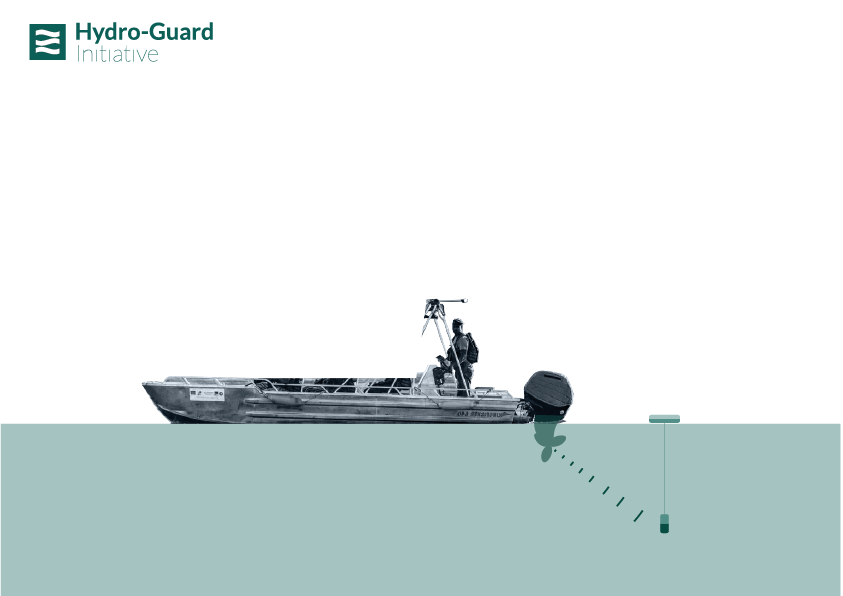
Hydro-Guard Wet V1.0 — underwater hydrophone acoustic monitoring device In Development — Following Dry V1.0

Hydro-Guard Wet V1.0

// Submerged underwater at central monitoring points

  • Range2 kilometers
  • Mic typeUnderwater hydrophone
  • Best forOpen water, lakes, deltas, ocean and marine parks
  • AdvantagesWide-area coverage, covert — harder to spot by exploiters
Shared AI Core. Both devices run on identical AI hardware. The neural network achieves 97% motorboat detection accuracy. The only difference between models is placement and microphone module.
// Our Aim

Search for Your Park

European Protected Areas — Hydro-Guard Applicability Map
Live Explorer
01

Deploy

Devices placed strategically in and around restricted waters based on park topology

02

Listen

AI continuously monitors for motor sounds across the acoustic spectrum, 24/7

03

Detect

Neural network classifies motorboat signatures with 97% accuracy

04

Alert

Rangers receive real-time push notification with location and timestamp

05

Respond

No random blind patrols — targeted, evidence-based intervention exactly where it matters

// Timeline

Development Roadmap

Phase 01 — R&D

Feb – Jun 2026

Develop & Validate Dry V1.0

23 devices deployed in Biesbosch. Working toward 75% maturity target. Acoustic model training on real-world boat signatures. Ranger workflow integration and dashboard development.

Phase 02 — Pilot

Jun – Sep 2026

Full-Scale Pilot Deployment

System stabilization and performance benchmarking. Securing 3 European inland water park partnerships. Ranger training and dashboard refinement based on live field feedback.

Phase 03 — Expansion

Sep 2026 – Jan 2027

European Parks — First Product Launch

Dry + Wet versions complete. First official commercial product launch. Securing institutional partnerships and conservation NGO integrations across European inland water ecosystems.

Phase 04 — Global Scale

2027 and beyond

Deltas, Wetlands & Tropical Parks Worldwide

Scaling to deltas, wetlands, tropical and marine parks across three continents. First international deployment: Burgas Lakes, Bulgaria. Building a global ranger alert and acoustic intelligence network.

// The People

Engineering for Nature

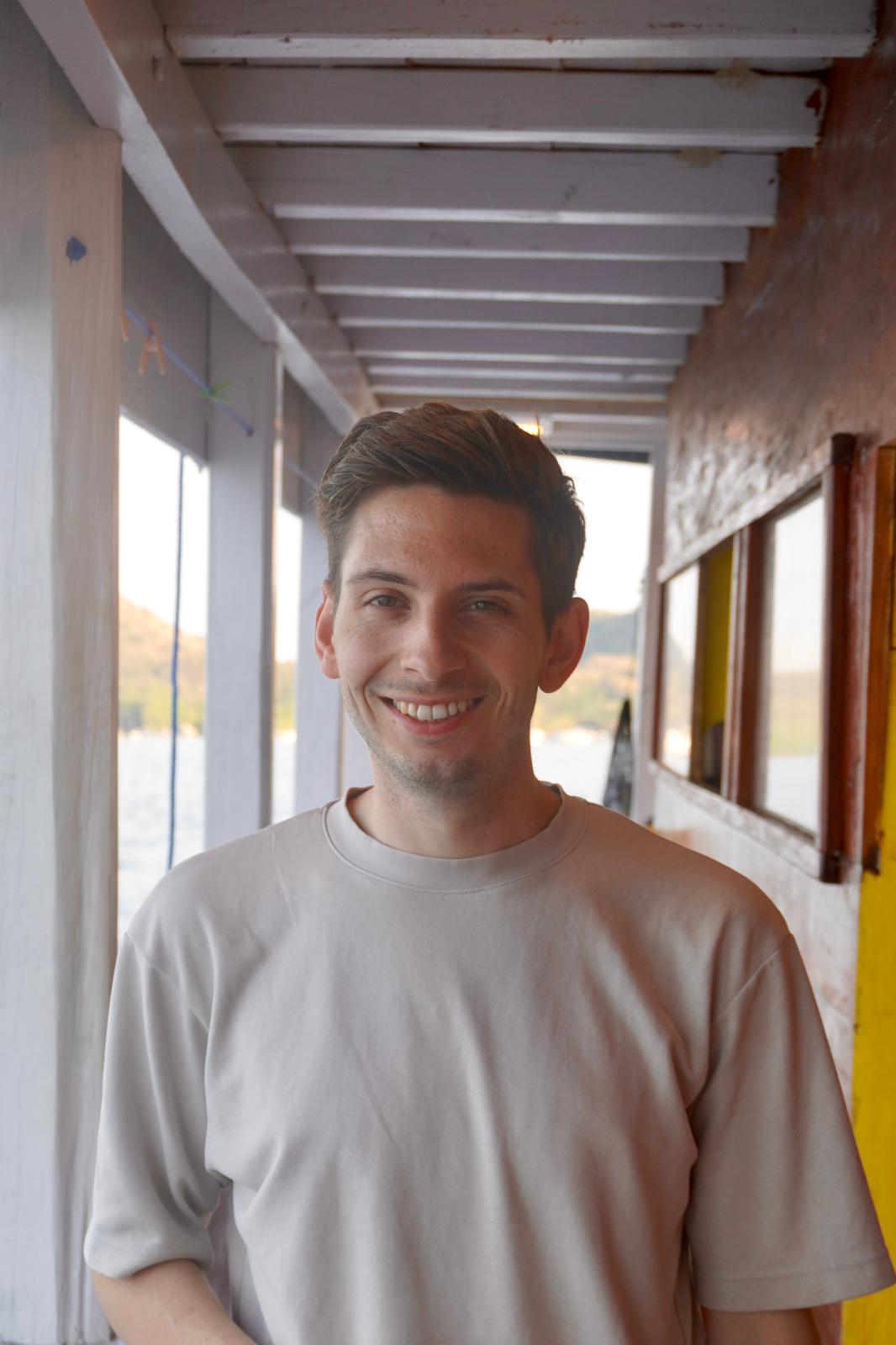
Thijmen de Vries — Founder and Project Lead

Thijmen de Vries

Founder & Project Lead

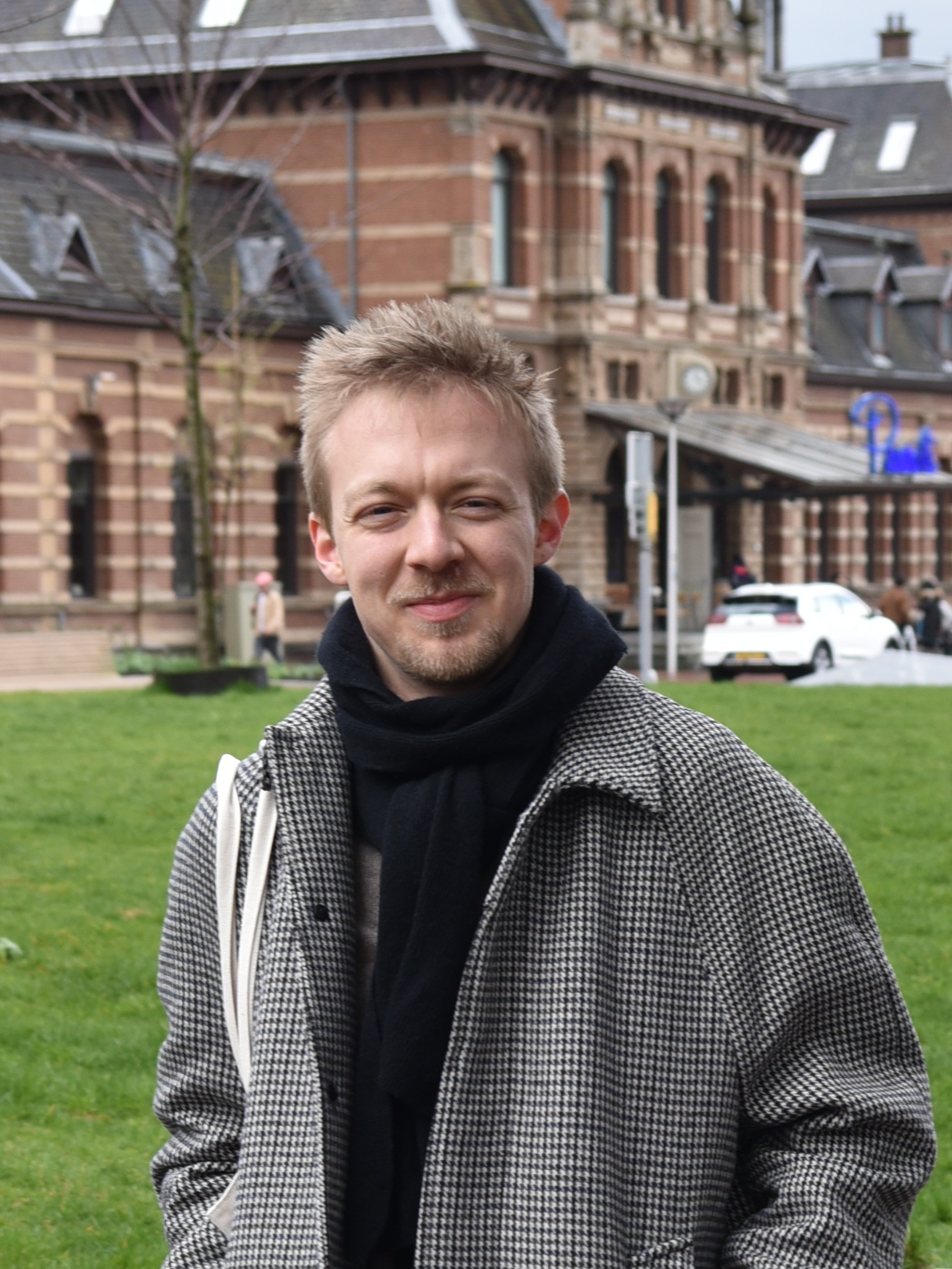
Joost den Hoedt — Business and Operations Lead

Joost den Hoedt

Business & Operations Lead

Marlo Poelstra — Industrial and Mechanical Design Lead

Marlo Poelstra

Industrial / Mechanical Design Lead

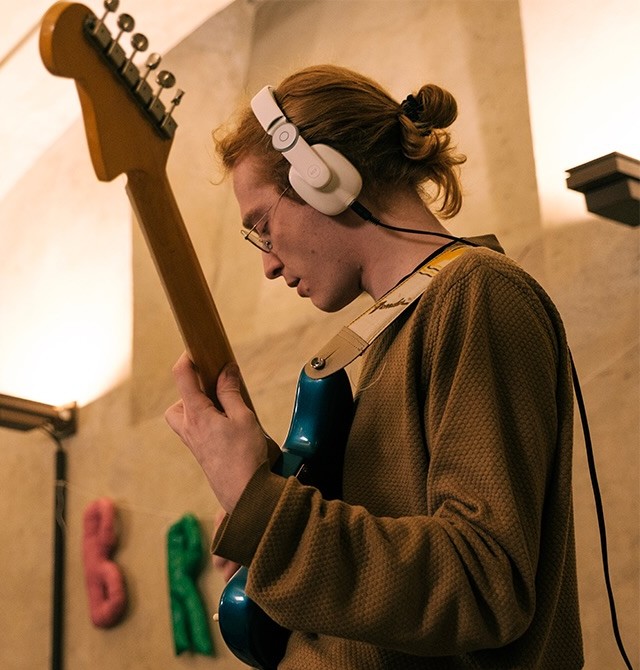
Lorenzo Pirovano — Neural Network Engineer

Lorenzo Piralla

Neural Network Engineer

Robert Melika — Embedded Systems and Hardware Integration Engineer

Robert Melika

Embedded Systems & Hardware Integration Engineer

Diego Viero — Development Coordination and Frontend Engineer

Diego Viero

Development Coordination & Frontend Engineer

Luca Pirovano

Luca Pirovano

AI Acoustic Engineer

Master's engineering students from TU Delft and University of Milan — combining industrial design, AI, embedded systems, and business development, united by a shared conviction that technology should protect what matters most.

// Collaboration

Partners & Context

WWF

Supported by the WWF INNO Student Challenge 2026 — WWF's initiative to fund and accelerate the most promising student-led conservation technology projects across Europe.

Staatsbosbeheer

Field partner: Dutch National Forest Service. Marco Meeling (Senior Policy Advisor) confirmed the Delta waters — Haringvliet, Hollands Diep, Biesbosch — as open test locations for Phase 01.

Biesbosch National Park

Primary validation site for Phase 01. Active collaboration with rangers providing real-world acoustic data, deployment feedback, and ground-truth validation of our AI detection models.

0 Nature parks worldwide have expressed interest in Hydro-Guard
0 Parks have offered to be active test locations
2027 International expansion — Burgas Lakes, Bulgaria